MSS International has planted over 90,000 trees since launching its biodiversity programme, with plans to add 5,000 more by 2030 as part of a systematic approach to carbon sequestration and habitat restoration.
The tree planting initiatives span three strategic areas: on-site green belts at manufacturing facilities, community-led plantations through NGO partnerships, and global afforestation drives supporting international habitat restoration.
On-site green infrastructure
Since 2019, structured plantation projects have added 8,167 square metres of green cover at MSS International's India facilities. These on-site green belts deliver multiple benefits beyond carbon sequestration, improving air quality around production areas, providing natural cooling that reduces air-conditioning demand, and creating habitat corridors for local wildlife.
The trees also serve practical operational functions, providing dust and noise attenuation for surrounding communities while enhancing the workplace environment for employees.
Community partnership with Sankalp Vanrai
The majority of MSS's tree planting occurs through partnership with 'Sankalp Vanrai', an NGO focused on agricultural development and rural empowerment. Since 2022, collaborative plantations near Aurangabad in Maharashtra's Satara hill region have established tens of thousands of trees across previously degraded land.
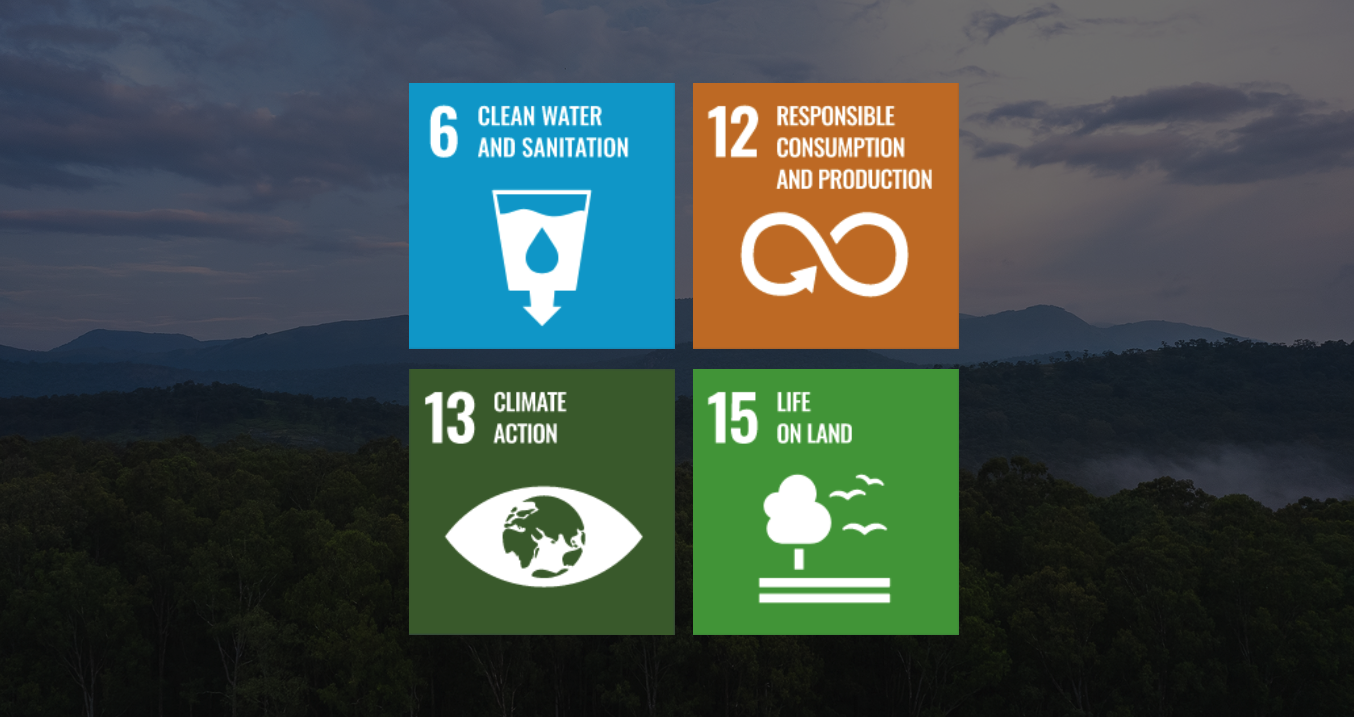
This partnership goes beyond simple planting. Sankalp Vanrai provides ongoing maintenance, ensuring high survival rates through the critical establishment period. The restored areas support biodiversity, stabilise soil and watersheds, and deliver lasting carbon sequestration benefits aligned with MSS's commitment to UN Sustainable Development Goals.
MSS has also applied to develop an additional 2,850 square metres of green space on allocated MIDC land, pending approval. This expansion would further extend the environmental and community benefits of systematic tree planting.
Global afforestation reach
Beyond India, MSS International has supported international reforestation through "One Tree Planted" and "More Trees" initiatives. In 2020 and 2021, the company funded 2,000 trees in Australia, contributing to habitat restoration in regions affected by climate-related degradation.
These global projects extend MSS's environmental impact internationally while supporting local community initiatives and demonstrating commitment to worldwide carbon sequestration efforts.
Quantified environmental impact
The 90,000+ trees planted to date represent significant environmental contribution. Mature trees sequester carbon, improve air quality, support biodiversity, and strengthen climate resilience. The current solar installation at MSS facilities already delivers carbon reduction equivalent to 28,622 mature trees, demonstrating how renewable energy and natural solutions work together in the company's decarbonisation strategy.
The additional 5,000 trees planned by 2030 continue this trajectory, ensuring MSS maintains momentum on biodiversity enhancement alongside operational emissions reductions.
Beyond offsetting: Integrated environmental strategy
MSS's tree planting programme isn't presented as carbon offsetting to compensate for ongoing emissions. Instead, it forms part of an integrated environmental strategy that combines direct emissions reductions (through renewable energy and efficiency measures) with positive biodiversity contributions that strengthen ecosystems and support community wellbeing.
This approach recognises that achieving carbon neutrality by 2045 requires both eliminating emissions at source and supporting natural systems that enhance climate resilience.
Discover more about MSS International's environmental commitment via our sustainability page.