MSS International operates a zero liquid discharge system across its electrical component manufacturing operations, treating and reusing 26,000 litres of water daily while maintaining the precision and quality standards critical to producing components for power distribution and renewable energy infrastructure.
The integrated water management approach demonstrates how environmental responsibility and manufacturing excellence reinforce rather than conflict with each other.
Three-stage treatment process
Water management in electrical component manufacturing extends beyond consumption to encompass process water from machining coolants, surface treatment operations, and facility maintenance. MSS's systematic approach processes water through three integrated stages:
- Stage 1: Effluent and sewage treatment plants handle the initial treatment of 26,000 litres daily, processing wastewater from manufacturing operations and facility use to remove contaminants and prepare water for further treatment.
- Stage 2: Reverse osmosis (RO) plant provides secondary treatment of effluent-treated water, recovering an additional 3,000 litres daily for reuse in surface treatment processes. This RO-treated water meets the quality standards required for precision manufacturing operations.
- Stage 3: Zero liquid discharge (ZLD) evaporator plant ensures zero discharge to the environment by evaporating remaining concentrate, leaving only solid residue for responsible disposal. No process water enters natural water systems.
Manufacturing quality maintained
The closed-loop water system ensures consistent water quality for machining copper busbars and surface treatment of electrical connectors, supporting the tight tolerances and surface finish requirements essential for reliable power distribution components. Whether producing pressed parts for switchgear assemblies or precision-machined terminals for high-current applications, water quality directly impacts manufacturing excellence.
Customers sourcing components for renewable energy projects, electric vehicle infrastructure, or grid modernisation increasingly require supply chain partners who demonstrate verified environmental responsibility. MSS's zero-discharge approach provides concrete evidence of water stewardship that supports customer sustainability reporting and procurement criteria.
Expanding water infrastructure by 2026
Building on current water management capabilities, MSS International plans to establish a new sewage treatment plant at its B14 facility before the end of 2026. This expansion will enable treatment of approximately 7,000 additional litres daily, supporting planned production capacity increases while maintaining zero-discharge principles.
The new treatment plant will process water for reuse in gardening and domestic purposes, further reducing freshwater demand while ensuring continued environmental protection as operations scale.
Strategic resilience
Beyond environmental benefits, the water treatment and reuse system provides operational resilience. Manufacturing facilities face increasing water scarcity risks in many regions. By maximising reuse and minimising freshwater demand, MSS reduces vulnerability to supply disruptions while supporting local water resource conservation.
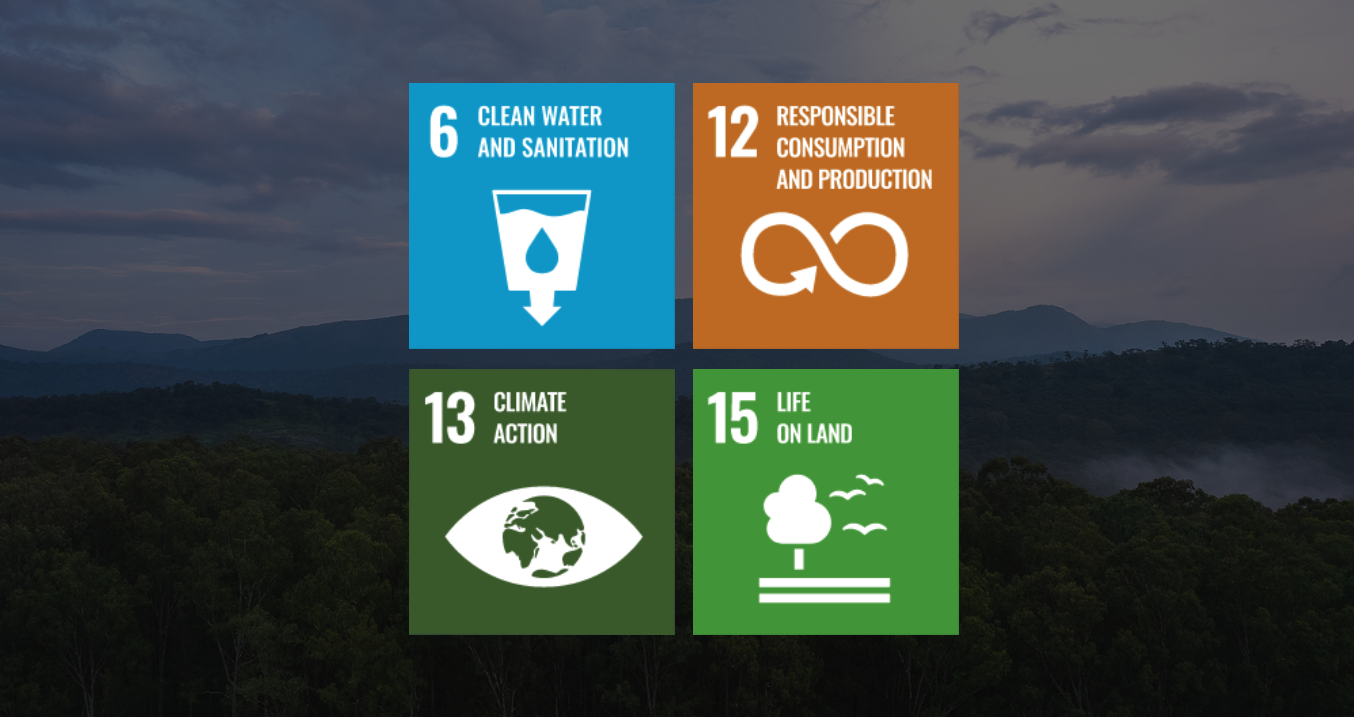
The zero-discharge approach aligns with UN Sustainable Development Goal 6 (Clean Water and Sanitation), demonstrating how industrial operations can support rather than strain local water systems.
Technical expertise applied to environmental challenges
MSS's water management system reflects the same engineering discipline applied to manufacturing electrical components: systematic process control, measurable performance targets, and continuous improvement. Just as the company's CNC machining and pressing operations demand precision and consistency, the water treatment systems operate to strict quality parameters verified through ISO 14001 environmental management certification.
For an electrical component manufacturer handling precision machining of copper busbars, hot pressing of complex terminal shapes, and assembly of complete switchgear components, achieving zero liquid discharge while maintaining quality standards demonstrates genuine commitment to environmental responsibility.
Explore MSS International's sustainability initiatives on our sustainability page.