Electrical component manufacturing traditionally generates significant waste streams: metal offcuts from precision machining, packaging materials from global supply chains, process water from surface treatments, and energy losses from inefficient operations. MSS International demonstrates that these waste streams aren't inevitable byproducts of quality manufacturing but opportunities for systematic resource optimisation and circular economy implementation.
Through integrated programmes spanning water recycling, material reuse, packaging optimization, and energy efficiency, MSS has established verifiable waste reduction across operations while maintaining the precision standards required for busbars, switchgear components, and electrical connectors serving critical infrastructure applications.
Here's what we'll cover in this article:
- How closed-loop water systems achieve zero liquid discharge while supporting manufacturing quality
- Material circularity through strategic recycling and reuse programmes
- Packaging waste elimination strategies delivering measurable resource savings
- Energy efficiency as waste prevention at source
- The business case for zero-waste manufacturing in electrical components
- Integration with MSS's pathway to carbon neutrality by 2045
Understanding these systematic approaches reveals how manufacturers can achieve both environmental objectives and operational excellence simultaneously.
Zero liquid discharge: Closing the water loop
Water management in electrical component manufacturing extends far beyond consumption reduction. Machining operations generate coolant-contaminated water. Surface treatment processes produce chemical-laden effluent. Facility operations create standard sewage streams. Without systematic treatment and recovery, these water streams become waste requiring disposal and replacement with fresh water intake.
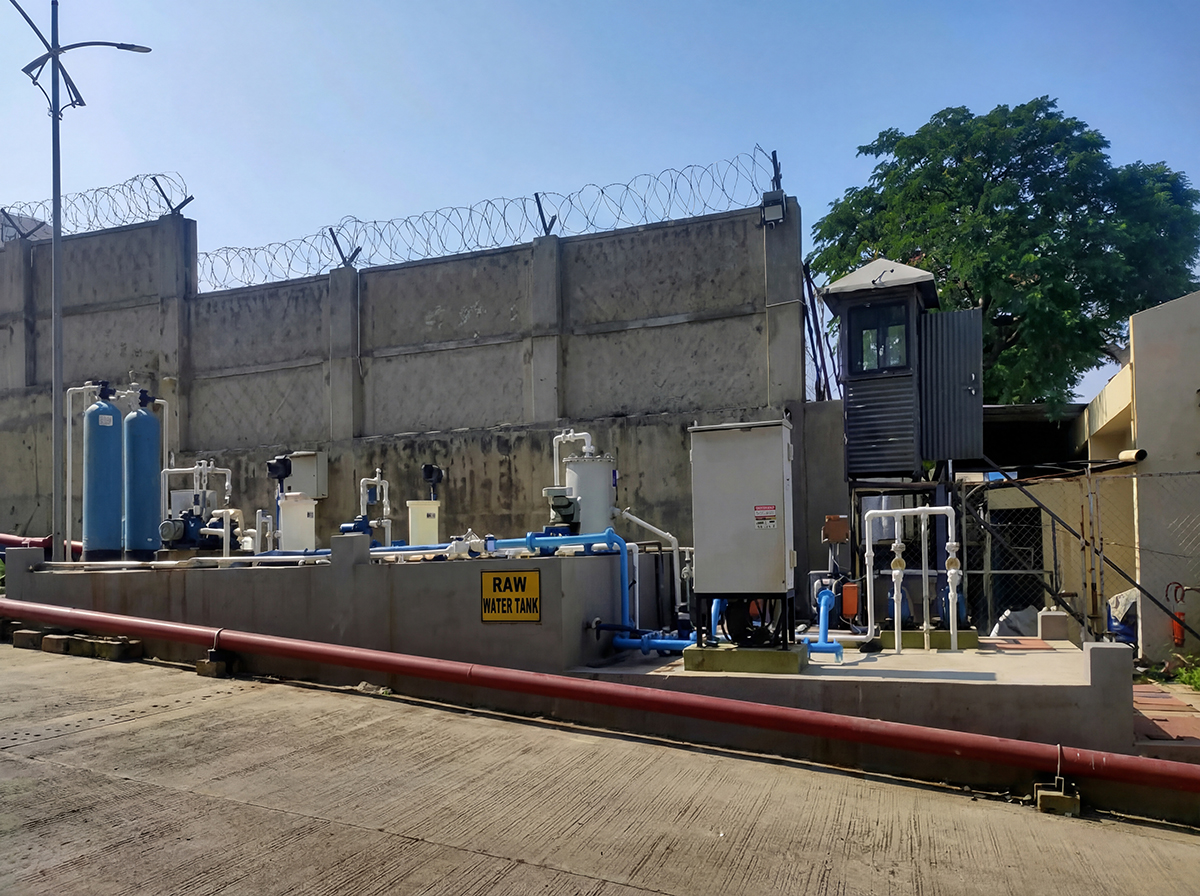
MSS International operates an integrated zero liquid discharge system that eliminates water waste while ensuring consistent quality for manufacturing processes.
Three-stage treatment process
The water management system processes 26,000 litres daily through three integrated stages, each serving specific treatment and recovery objectives:
- Stage 1: Effluent and sewage treatment plants handle initial processing of all wastewater from manufacturing operations and facility use, removing contaminants and preparing water for further treatment or controlled reuse.
- Stage 2: Reverse osmosis treatment provides secondary processing of effluent-treated water, recovering an additional 3,000 litres daily that meets quality standards for reuse in surface treatment processes. This RO-treated water supports the precision requirements of electrical component finishing operations.
- Stage 3: Zero liquid discharge evaporator plant ensures complete water recovery by evaporating remaining concentrate, leaving only solid residue for responsible disposal. No process water enters natural water systems or municipal drainage.
Manufacturing quality maintained
The closed-loop approach ensures consistent water quality for machining copper busbars and treating electrical connector surfaces. Variations in water chemistry can affect surface finish quality, dimensional accuracy, and long-term component reliability. By controlling water quality through systematic treatment and reuse, MSS maintains manufacturing standards while eliminating water waste.
For customers specifying electrical components for renewable energy installations or grid infrastructure, this verified water stewardship provides concrete evidence of supply chain sustainability that supports their own environmental reporting requirements.
Expanding water recovery capacity
Building on current zero-discharge operations, MSS plans to establish a new sewage treatment plant at its B14 facility before the end of 2026. This expansion will enable treatment of approximately 7,000 additional litres daily, supporting planned production capacity increases while maintaining zero-discharge principles and water reuse for gardening and domestic purposes.
Material circularity: Strategic recycling and reuse
Producing electrical components from metals like copper generates various material streams requiring responsible management. MSS International has implemented systematic circularity practices that minimize virgin material demand while maintaining the material quality standards essential for electrical applications.
Copper recycling initiatives
Copper, the primary conductive material for busbars, terminals, and electrical connectors, offers inherent recyclability. The metal can be recycled repeatedly without degradation of electrical or mechanical properties, making it ideal for circular economy approaches in electrical component manufacturing.
MSS maintains copper recycling initiatives that recover and process material from production operations, reducing dependence on virgin copper extraction while supporting consistent material quality. This approach recognizes copper's value as a permanently recyclable resource that shouldn't become waste.
Packaging material reuse programme
Since 2019, MSS has systematically reused wooden packaging boxes from imported raw materials for local shipping purposes, eliminating waste while avoiding new packaging material production. The programme saves approximately 4 tonnes of wood monthly, totalling over 200 tonnes to date across UK, India, and Poland operations.
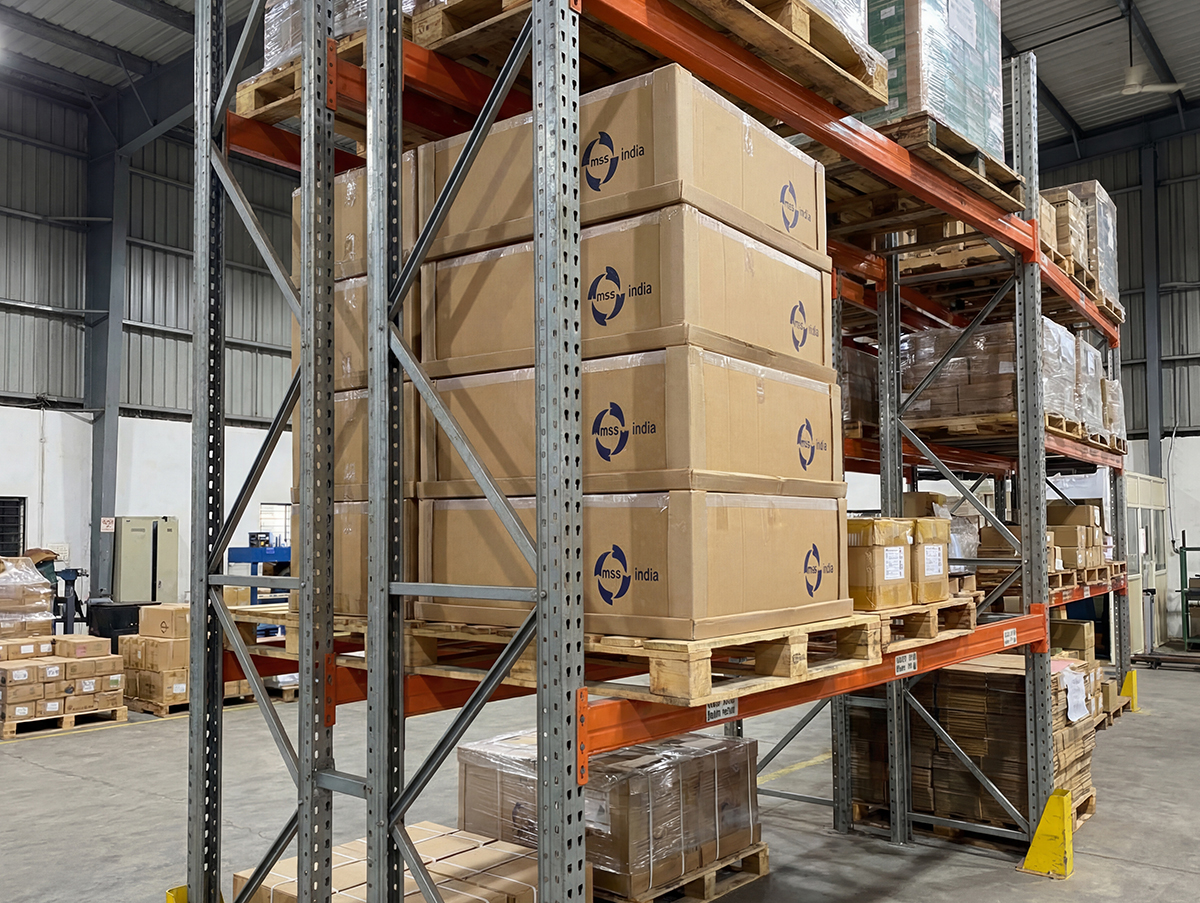
This straightforward circular practice delivers both environmental and cost benefits. Wooden crates that would otherwise require disposal instead gain extended useful life, reducing both waste generation and packaging procurement costs.
The transition from wooden master cartons to corrugated boxes for general packaging further reduces material consumption while improving recyclability. Corrugated materials offer lighter weight (reducing transport emissions), easier recycling processing, and maintained component protection standards.
Recycled paper adoption
MSS transitioned to stationery made from recovered, cleaned, and fully recycled waste paper in 2023. This diverts material from landfill while substantially reducing the environmental impact of office operations.
Each tonne of recycled paper saves 17 trees, 31,800 litres of water, and 2,100 litres of oil compared to virgin paper production. For a manufacturing organisation managing technical documentation, quality records, and operational procedures across multiple facilities, these savings accumulate to meaningful environmental benefits.
The recycled paper initiative supports MSS's broader commitment to achieve paperless administration across all office locations by 2027, combining immediate waste reduction with systematic digital transformation.
Reusable internal handling systems
MSS has introduced reusable trolleys for moving components between production lines and processes, replacing single-use cartons and disposable protective packaging. These trolleys provide consistent component protection while eliminating recurring packaging waste from internal material handling.
The reusable approach demonstrates how operational improvements can simultaneously advance environmental and quality objectives. Components receive better protection through purpose-designed handling systems while packaging waste disappears from internal logistics.
Energy efficiency: Waste prevention at source
Energy waste represents resource consumption without productive output. Unlike material waste that can sometimes be recovered or recycled, wasted energy is simply lost. Preventing energy waste at source through efficiency improvements therefore provides direct environmental and cost benefits.
MSS International has implemented comprehensive efficiency measures that reduce energy waste across electrical component manufacturing operations.
Lighting optimisation
Converting manufacturing areas to LED lighting while incorporating transparent roofing to maximise natural daylight has reduced electricity consumption by approximately 10%, cutting annual CO₂ emissions by over 213,000 kg.
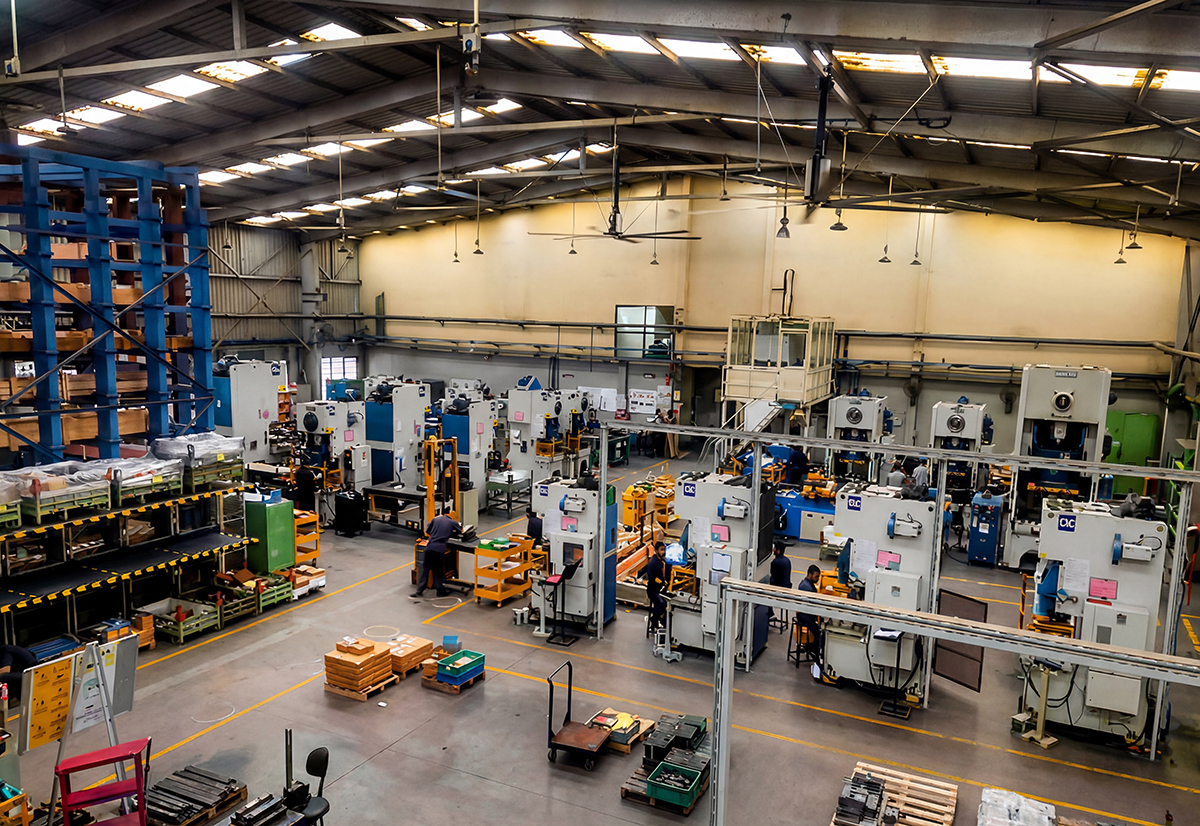
This efficiency improvement delivers environmental benefits while enhancing operational performance. LED lighting provides better illumination quality for precision work, supporting visual inspection of machined surfaces, busbar connections, and assembly details. Natural daylight reduces dependence on artificial lighting during day shifts while improving workplace conditions.
Smart air management
Manufacturing electrical components requires compressed air for pneumatic tooling, CNC coolant systems, and cleaning operations. MSS has installed air flow controller valves across CNC and VMC machines to reduce compressed air pressure from 6 bar to 3 bar where technically feasible, enabling operation with lower-capacity compressors.
Combined with regular leak detection audits and systematic replacement of connectors, pipes, and cylinder seals, these measures reduce energy waste from air compression while maintaining manufacturing capabilities. High-volume, low-speed fans with variable frequency drives provide efficient air circulation across production areas, reducing air-conditioning demand while maintaining optimal conditions for precision manufacturing.
Process equipment optimisation
Variable frequency drives on pressing machines and stamping equipment optimise power usage by matching motor speed to operational requirements rather than running at constant high power. Timer installations on vibratory equipment enable automatic shutdown after cycle completion, preventing energy waste during production gaps.
These incremental improvements accumulate to meaningful efficiency gains across busbar production, terminal pressing, and connector assembly operations, reducing both energy waste and operational costs.
Packaging optimisation: Systematic waste reduction
Beyond wood reuse programmes, MSS has implemented additional packaging waste reduction strategies that minimise material consumption while maintaining component protection standards.
- Carton reduction initiatives have decreased overall packaging material use through design optimisation and material substitution. Where protective packaging remains necessary, MSS prioritises materials offering better recyclability and lower environmental impact.
- VCI (Volatile Corrosion Inhibitor) optimisation reduces reliance on disposable packaging materials by using VCI papers and films more efficiently, protecting metal components from corrosion during storage and transport while minimising packaging waste.
- End-of-life recycling systems ensure worn corrugated boxes and packaging plastics enter recycling streams rather than landfill, keeping materials within the circular economy even after their useful life with MSS concludes.
The business case for zero-waste manufacturing
For MSS International's customers in electrical infrastructure, renewable energy, and industrial applications, supplier waste management performance increasingly impacts procurement decisions alongside traditional quality and delivery criteria.
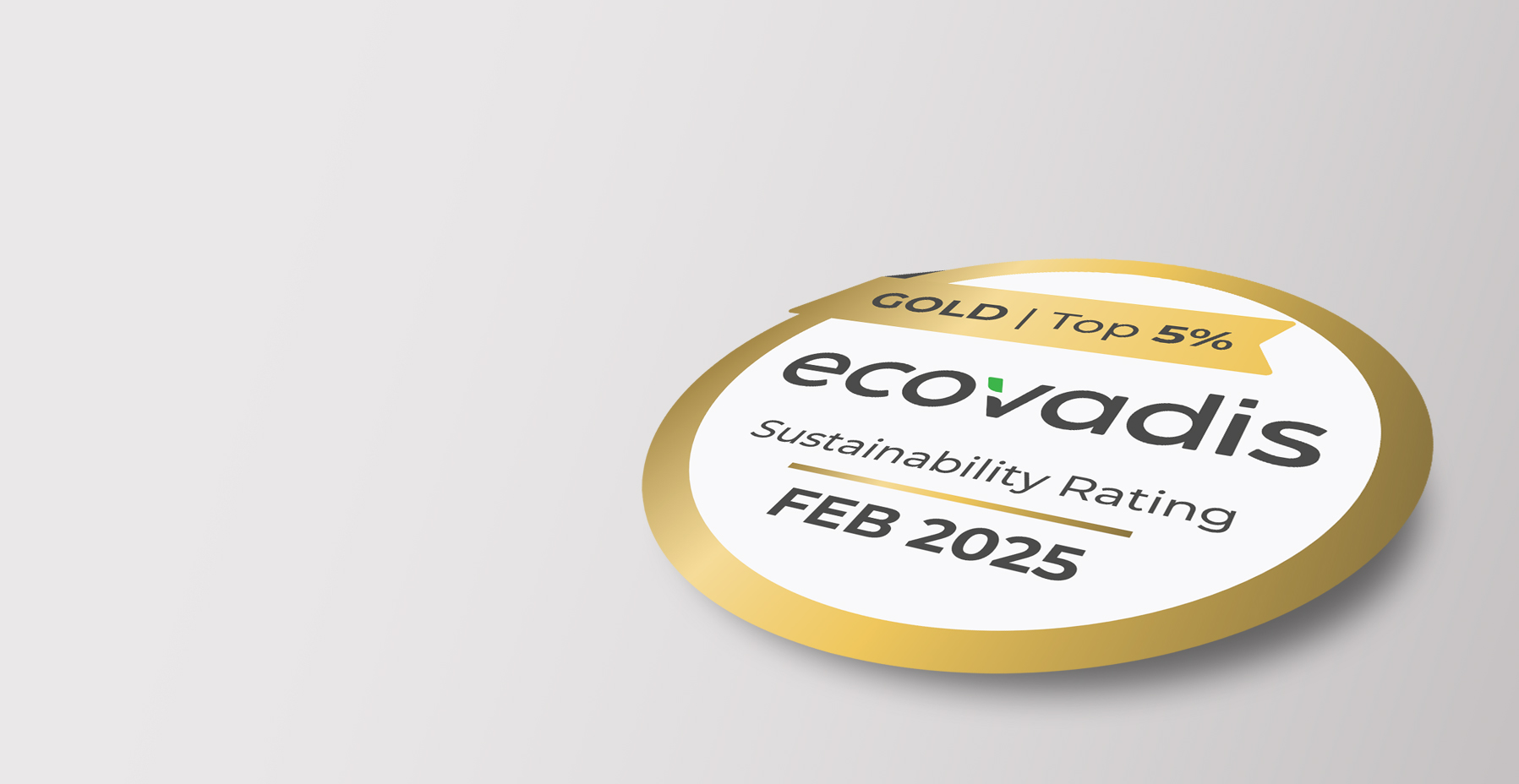
Demonstrating systematic waste reduction through verified programmes provides competitive advantages while supporting customer sustainability objectives. MSS's EcoVadis Gold rating, placing the company in the top 5% globally for environmental performance, validates waste reduction efforts through independent assessment.
Operational and cost benefits
Zero-waste initiatives deliver direct operational benefits that strengthen business fundamentals:
- Material cost reduction: Recycling and reuse programmes decrease virgin material procurement requirements, reducing input costs while improving resource security.
- Waste disposal cost elimination: Water reuse, packaging circularity, and material recycling remove waste streams that would otherwise incur disposal costs and regulatory compliance burdens.
- Energy cost savings: Efficiency measures reduce utility expenses while providing long-term cost stability, particularly as energy prices fluctuate.
- Process optimisation: Waste reduction drives systematic process improvement, identifying inefficiencies that impact both environmental and operational performance.
Regulatory readiness
EU regulations increasingly emphasize circular economy principles, extended producer responsibility, and waste reduction targets. The Ecodesign for Sustainable Products Regulation (ESPR) expands requirements around product durability, repairability, and recycled content.
MSS's established waste reduction programmes and circular practices position the company ahead of regulatory developments, ensuring continued market access while demonstrating proactive environmental management rather than reactive compliance.
Supply chain value creation
Customers developing renewable energy systems, electric vehicle infrastructure, or grid modernization projects need manufacturing partners demonstrating verified environmental performance. MSS's systematic waste reduction provides credible evidence supporting customer sustainability reporting and procurement criteria.
The zero-waste approach particularly resonates with customers in clean energy sectors, where supply chain environmental performance directly impacts project credibility and stakeholder acceptance.
Governance and continuous improvement
Behind MSS's waste reduction achievements sits a dedicated ESG team working systematically on year-on-year improvements across environmental, social, and governance metrics. This team reports directly to board management level, ensuring waste reduction targets and circular economy programmes receive strategic oversight and accountability.
The traceability of continuous improvement isn't just documented for compliance, it's embedded in operational culture, with measurable targets, regular progress reviews, and transparent reporting that demonstrates the seriousness of MSS's commitment to zero-waste manufacturing.
This governance structure ensures waste reduction initiatives maintain momentum, adapt to new opportunities, and integrate with broader sustainability objectives including the pathway to carbon neutrality by 2045.
Integration with carbon neutrality pathway
Waste reduction and carbon reduction represent complementary objectives, not separate programmes. Material waste avoided eliminates the emissions from virgin material extraction, processing, and transport. Energy waste prevented directly reduces operational carbon footprint. Water reuse decreases energy consumption for fresh water treatment and wastewater processing.
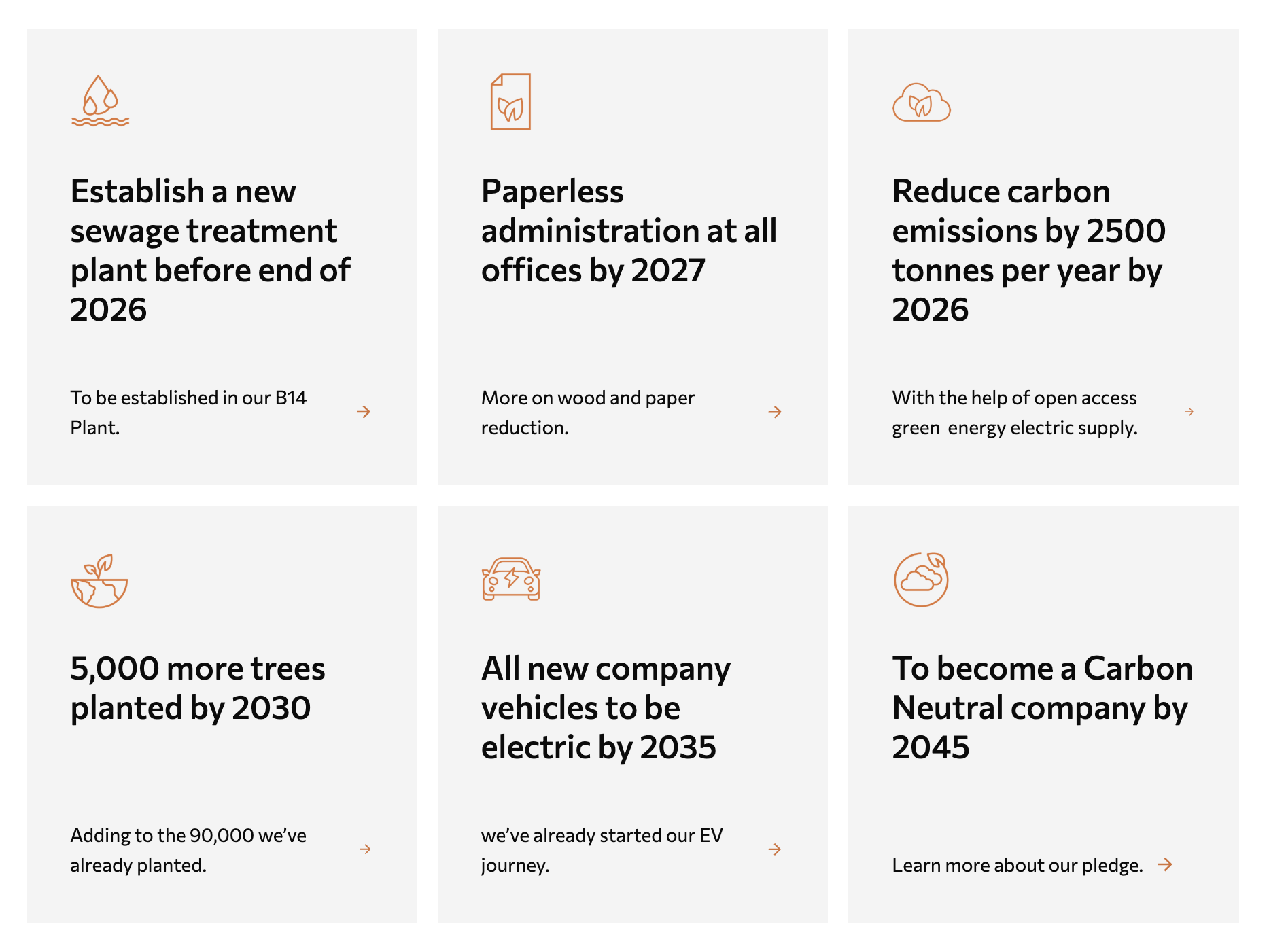
MSS's systematic approach to zero-waste manufacturing therefore accelerates progress toward carbon neutrality by 2045 while delivering immediate environmental and operational benefits. The near-term milestones supporting both objectives include:
- 2026: B14 water treatment expansion enabling continued zero-discharge operations at larger scale, alongside 2.5MW renewable energy deployment eliminating 2,500 tonnes of annual emissions.
- 2027: Paperless administration completion across all office locations, eliminating paper waste streams while improving operational efficiency through digital systems.
- 2030 and beyond: Continued expansion of material circularity, packaging optimization, and energy efficiency as manufacturing operations grow and new waste reduction opportunities emerge.
The integration of waste reduction with carbon reduction demonstrates how comprehensive sustainability strategies create mutually reinforcing benefits rather than competing priorities.
Manufacturing precision through resource optimisation
Related articles
- Reducing our carbon footprint: How MSS is cutting emissions in its operations - Detailed coverage of renewable energy deployment, smart technologies, and systematic efficiency measures
- Carbon neutral by 2045: MSS International's comprehensive decarbonisation pledge - Complete roadmap with near-term milestones and strategic initiatives
- Zero discharge, zero compromise: Water management at MSS International - Technical deep-dive into the three-stage treatment process and B14 expansion plans
- Going paperless: MSS's journey to digital-first administration by 2027 - Digital transformation supporting waste reduction and operational efficiency