Reliability in a data centre is not simply a technical aspiration; it is a contractual obligation. Service level agreements (SLAs) commit operators to availability targets that leave almost no room for error, and the financial consequences of falling short are severe. Downtime at a large enterprise can cost an average of $9,000 per minute, with costs in high-risk industries such as finance and healthcare potentially exceeding $5 million per hour according to industry analyses.
What is less often examined is where that reliability actually originates. Redundant architecture, failover systems, and backup power receive most of the attention, but none of these systems can compensate for components that degrade, connections that develop resistance, or earthing arrangements that fail to perform under fault conditions. Reliability is built from the bottom up, and it starts with the quality of the copper components at the heart of every power distribution and safety system in the facility.
At MSS International, our precision-engineered copper components are designed specifically for the demands of mission-critical electrical infrastructure. This article examines the role that copper plays in data centre uptime, from earthing and power quality through to the manufacturing standards that ensure performance over decades of continuous operation.
Here's what we'll cover:
- What mission-critical availability requirements actually mean in practice
- Power as the leading cause of data centre outages, and why it matters for component specification
- Copper earthing and bonding systems as the foundation of electrical safety
- How copper components maintain power quality and prevent failure modes
- MSS International's engineering approach to reliability
- Prevention over cure: designing out failure across a facility's operational life
The uptime imperative: What mission-critical actually means
The Uptime Institute's Tier Classification System is the international standard for data centre infrastructure performance. Its four tiers define progressively higher levels of redundancy, maintainability, and fault tolerance, each mapped to a specific availability target that determines how much downtime a facility may experience in a year:
- Tier I: 99.671% availability, permitting up to 28.8 hours of downtime per year
- Tier II: 99.741% availability, permitting up to 22 hours of downtime per year
- Tier III: 99.982% availability (concurrently maintainable), permitting no more than 1.6 hours of downtime per year
- Tier IV: 99.995% availability (fully fault tolerant), permitting no more than 26.3 minutes of downtime per year
The majority of commercial and enterprise data centres operate at Tier III or above. For hyperscale AI facilities, financial institutions, and cloud providers, Tier IV is increasingly the standard, with operators targeting internal goals of zero unplanned downtime regardless of the theoretical allowance. At these levels, a single significant outage can exhaust an entire year's permitted downtime budget in minutes.
AI workloads raise the stakes further. As discussed in our article on Meeting AI Infrastructure Demands: Copper Solutions for High-Current Data Centre Applications, GPU clusters running distributed training jobs are particularly sensitive to any interruption. A failure affecting a single node in a multi-server AI workload can halt the entire job across hundreds of GPUs simultaneously, with recovery requiring the complete restart of training runs that may have been running for days or weeks. The cost of such an event extends well beyond direct downtime losses.
Power: The leading cause of data centre outages
Understanding where data centre outages actually originate is essential to specifying the right components in the right places. Uptime Institute's Annual Outage Analysis 2024 provides the clearest picture of the industry-wide picture: power-related issues remain the leading cause of impactful outages, cited by 54% of operators surveyed as the primary cause of their most recent significant event. Cooling failure was the second most common cause at 13%, followed by network-related issues at 12%.
Source: Data Centre Dynamics, Uptime Institute: Outages in 2024 Less Frequent and Severe but More Expensive (May 2025)
Separately, Uptime Institute's longer-term tracking of publicly reported outages found that power failures accounted for 36% of the largest global public service disruptions recorded since January 2016.
These figures establish a clear hierarchy of risk. More than half of serious outages trace back to the power systems that copper components sit at the heart of: distribution busbars, earthing conductors, bonding connections, switchgear components, and the network of copper conductors that carries power from grid connection to server rack. The quality of specification and manufacture in each of these elements directly determines how well the facility holds up under normal operation, transient fault conditions, and the sustained extreme loads that AI workloads impose.
The financial trajectory is also worsening. Uptime Institute's 2024 outage analysis found that 54% of respondents said their most recent significant outage cost more than $100,000, while 20% reported costs exceeding $1 million, a four percentage point year-on-year increase. Uptime attributes this trend to the increasing criticality of digital services, rising labour and hardware replacement costs, SLA penalties, and longer recovery times.
Copper earthing and bonding: The silent foundation of electrical safety
What earthing systems do
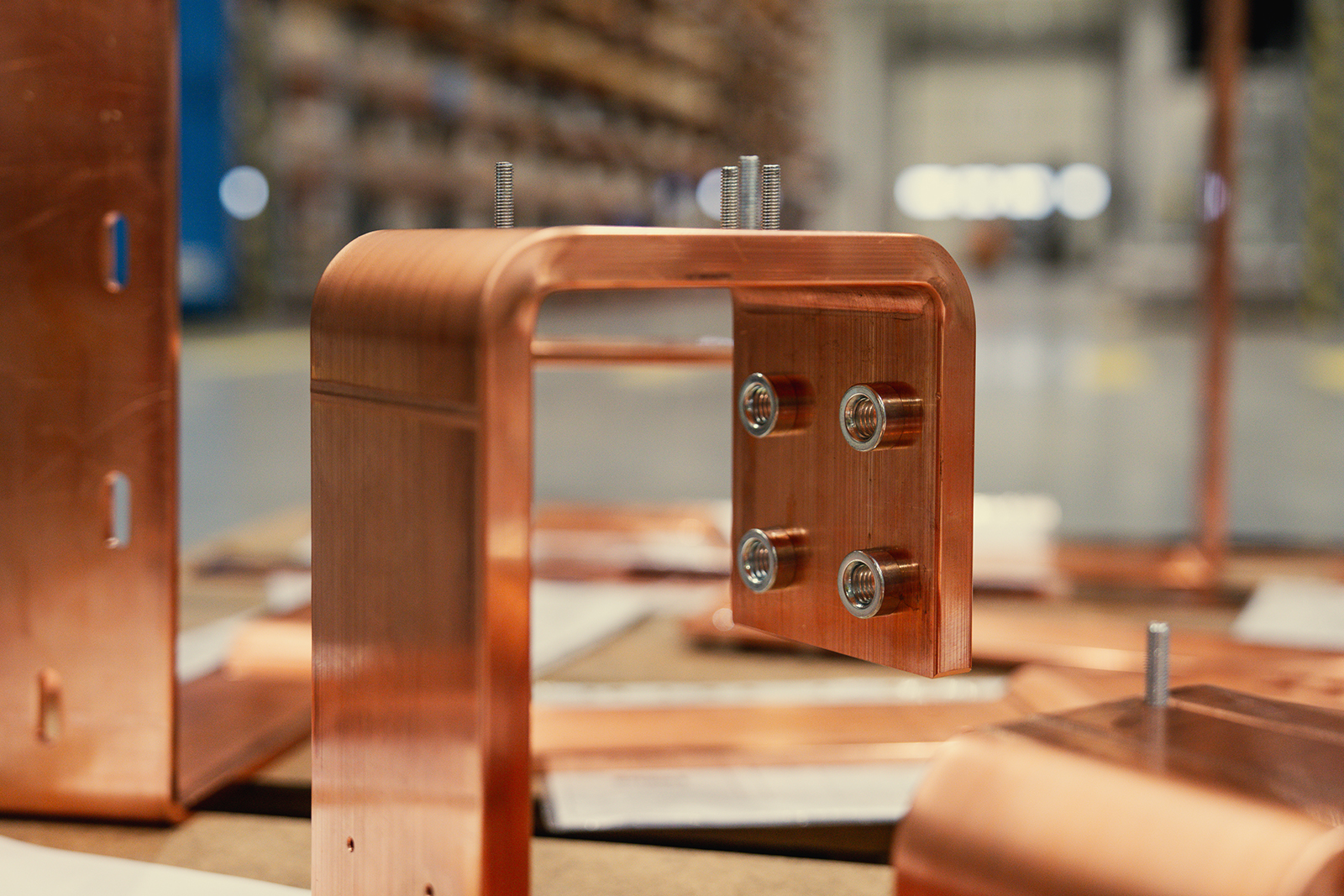
Earthing and equipotential bonding systems are among the least visible elements of data centre infrastructure, and among the most consequential. Their purpose is to provide a controlled, low-resistance path for fault currents, ensuring that protective devices operate correctly under fault conditions, that dangerous potential differences between conductive parts are eliminated, and that personnel and equipment are protected from electric shock during abnormal events.
In data centre environments, earthing systems must satisfy multiple functions simultaneously:
- Fault current dissipation: providing a reliable path for earth fault currents so that overcurrent protection devices operate within designed time limits
- Equipotential bonding: connecting all metallic building elements, equipment enclosures, and conductive structures to a common reference potential, eliminating voltage differences that could damage sensitive IT equipment or create shock hazards
- Lightning and surge protection: providing controlled dissipation paths for transient overvoltages caused by lightning strikes or switching operations, in accordance with IEC 62305
- EMC performance: low-impedance earthing reduces electromagnetic interference that can cause malfunctions in sensitive server and networking equipment
The relevant standards framework for data centre earthing includes IEC 60364-5-54, which addresses earthing arrangements and protective conductors in low-voltage installations, and IEC 50310, which covers equipotential bonding for buildings containing information technology equipment. Together these define the performance requirements that earthing system design must satisfy.
Why copper is the material of choice for earthing
Copper's dominance in earthing and bonding applications is a function of the same material properties that make it indispensable in power distribution: electrical conductivity, corrosion resistance, and long-term connection integrity. For earthing systems in particular, these properties are inseparable from reliability.
A high-resistance earthing connection is worse than a straightforward design failure. It may pass routine continuity testing while performing inadequately under actual fault current conditions, when the low-impedance path it was designed to provide is most needed. Copper's superior conductivity ensures that earthing conductors and bonding connections maintain low impedance not just at installation but throughout their service life. And in below-ground installations, where inspection is infrequent and replacement is costly, copper's corrosion resistance is a practical necessity.
Connection integrity at bonding points is equally critical. Bolted or clamped connections in earthing systems must maintain consistent contact pressure over years of thermal cycling and environmental exposure. Copper's coefficient of thermal expansion closely matches that of most connection hardware materials, minimising differential movement that can gradually reduce contact area and increase resistance. As with power distribution connections, proper initial torque specification and surface preparation are essential, and MSS International provides detailed specifications for all bonding connection hardware based on material, conductor size, and installation conditions.
Power quality and electrical safety: How copper components prevent failure
The mechanics of power quality degradation
Power quality in data centres encompasses more than simply maintaining supply continuity. Voltage fluctuations, harmonic distortion, transient surges, and voltage imbalances between phases all have the potential to disrupt or damage sensitive IT equipment, reduce the lifespan of power conversion components, and in extreme cases cause failures that cascade into wider outages.
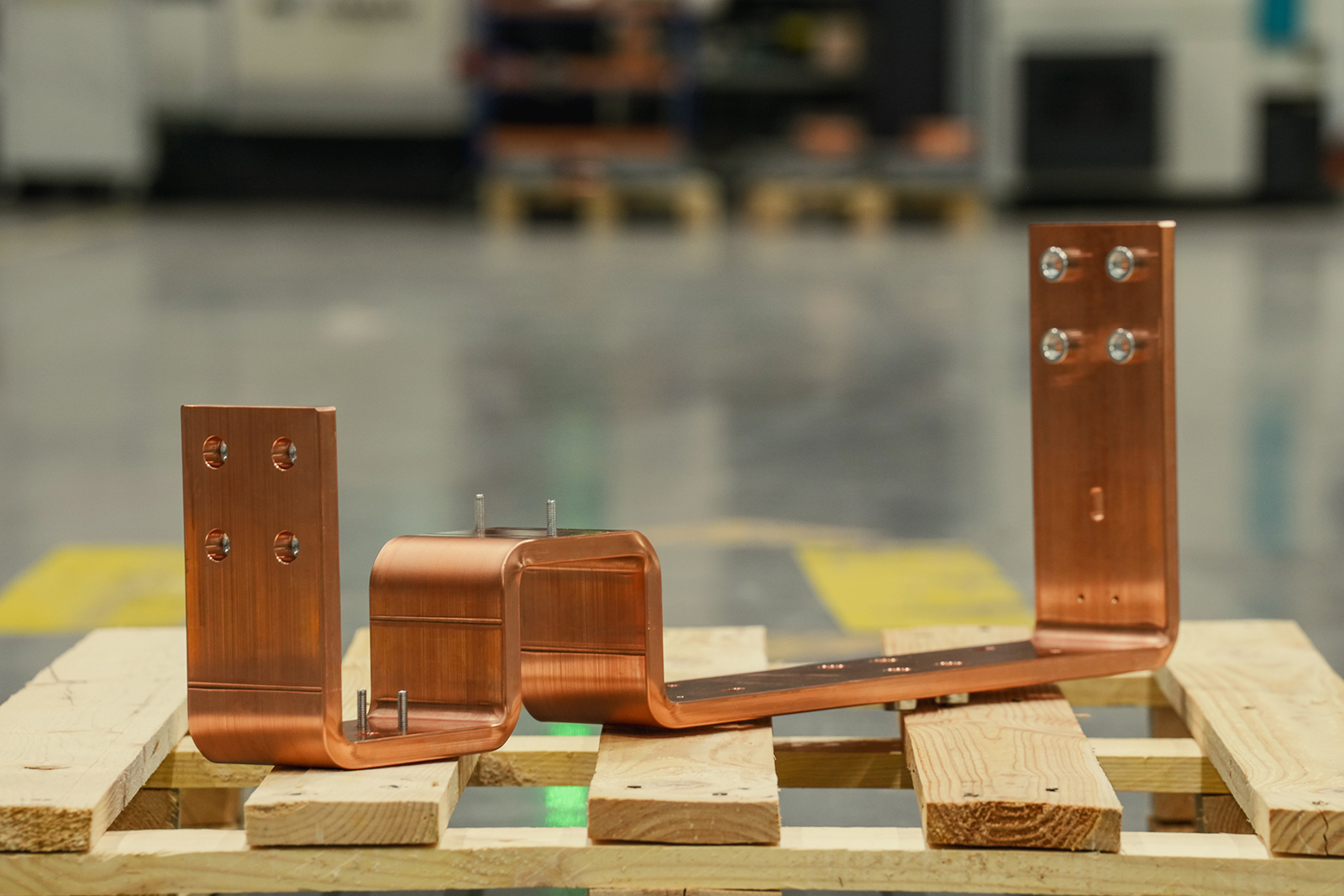
Copper components play a direct role in power quality through two related mechanisms. First, the resistance of distribution conductors and connections determines the voltage drop across the distribution system under load. Higher resistance means greater voltage variation between light and heavy load conditions, and greater sensitivity to sudden load changes. Second, the thermal behaviour of poorly specified or degraded connections determines whether the distribution system remains stable under fault or overload conditions, or whether it develops progressive failure modes that ultimately compromise supply integrity.
How connection degradation leads to outage
The pathway from a poorly specified connection to a data centre outage is well understood. A bolted busbar joint or termination with inadequate contact pressure, contaminated surfaces, or incorrect torque application presents higher contact resistance than a properly made connection. Under normal operating conditions, the additional I²R heat generated may be modest and the connection may appear functional. Under sustained high-load AI workloads, however, the elevated temperature at the joint accelerates oxidation of contact surfaces, which increases resistance further. This thermal runaway process is self-reinforcing: higher resistance generates more heat, which causes more oxidation, which generates more resistance still.
Left undetected, this process leads to visible thermal damage at connection points, potential arcing as the connection begins to fail, and ultimately the loss of the distribution path that the connection serves. Thermal imaging during preventive maintenance can detect developing hot spots at this stage, but the underlying cause is always a connection that was either incorrectly installed or specified using materials that do not maintain their properties over time.
ETP copper's stable electrical and thermal properties prevent this failure mode from initiating. Combined with correct surface preparation, appropriate joint compound application, and torque values specified by MSS International's engineering team, copper connections maintain their performance characteristics through decades of thermal cycling, not just through the initial commissioning period.
Fault current capacity under abnormal conditions
Reliable data centre operation demands not only that distribution systems perform correctly under normal conditions, but that they respond predictably under fault conditions. When a fault occurs, the distribution system must carry the resulting fault current long enough for protective devices to operate and isolate the fault, without the conductors or connections themselves suffering damage that could extend the outage beyond the fault itself.
Copper's combination of high conductivity and good thermal mass gives it excellent fault current capacity relative to its cross-sectional area. This means that properly sized copper busbars and conductors will withstand the thermal and mechanical stresses of fault current events without the deformation, melting, or connection damage that can occur in under-specified or alternative-material conductors. In mission-critical applications, this fault withstand capability is as important to uptime as the normal operating efficiency of the distribution system.
MSS International's engineering approach to reliability
Material quality as the foundation
Reliability begins at the material level. MSS International manufactures busbar systems and copper components from Electrolytic Tough Pitch (ETP) copper, specified at 99.9% copper minimum purity. This specification is not merely a quality standard; it directly determines the electrical and thermal conductivity of every component we produce. Lower-purity copper contains impurities that increase electrical resistivity and reduce thermal conductivity, both of which compound over time as components are subjected to thermal cycling and environmental exposure.
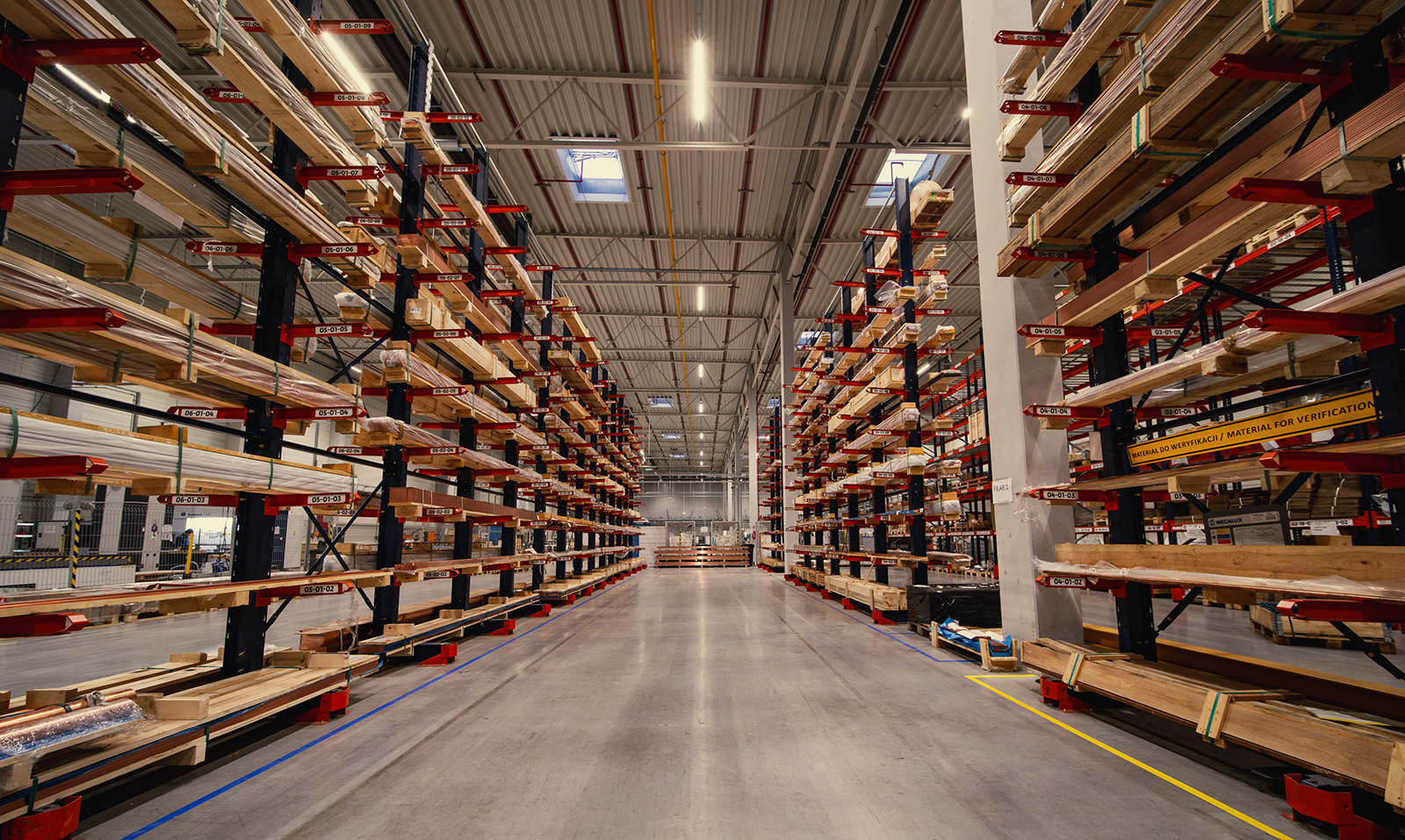
Every copper delivery from our certified supplier network undergoes verification testing before entering production, confirming conductivity through standardised measurement procedures and providing full material traceability. This documented chain of custody is part of the quality evidence that supports our customers' own compliance and assurance obligations.
Manufacturing precision and connection geometry
The reliability of a copper busbar system is determined not only by the material from which it is made, but by the precision with which connection interfaces are machined and formed. Contact surfaces that are out of flat, incorrectly dimensioned, or surface-damaged present elevated and non-uniform contact resistance from the moment of installation. MSS International's CNC machining capabilities produce connection faces and contact surfaces with the tight tolerances that reliable electrical joints require, maintaining dimensional accuracy that ensures proper contact pressure distribution across the full joint area when correctly torqued.
Our forming operations, comprising press braking and shaping of copper stock, are carried out with tooling that avoids work hardening or surface damage that might compromise conductivity or introduce stress concentration points at bends. The geometric precision of formed sections directly affects how components fit into the distribution system they serve, and fit quality in turn determines whether connections are made consistently at design torque values or whether installers are forced to compensate for dimensional variation in ways that compromise joint integrity.
Simulation-validated thermal and electrical performance
Before manufacturing begins on any MSS International busbar system, designs are validated through advanced heat and electrical resistance simulation. For mission-critical applications, this simulation-led approach provides documented confidence that the component will perform as specified under maximum load conditions, rather than relying solely on post-installation testing to identify problems.
Simulation enables our engineering team to verify operating temperatures at connection points and along conductor lengths under worst-case load scenarios, identifying any geometry or cross-section adjustments required before production. This is particularly valuable for custom assemblies serving high-density AI deployments, where current levels and thermal loads push designs closer to their operational limits and the margin for under-specification is correspondingly smaller.
Quality assurance and certification
Every busbar system shipped by MSS International is supported by our quality management systems, certified to ISO 9001 and IATF 16949. Comprehensive test protocols cover each stage of performance validation:
- Four-wire resistance measurement: confirms electrical conductivity and verifies material quality against specification
- Thermal cycling: subjects assemblies to repeated heating and cooling cycles simulating years of operational load variation
- Mechanical load testing: validates structural capability under installation and operational stresses
- High-potential (hipot) testing: verifies insulation systems withstand voltage levels significantly above normal operating conditions
Full material traceability, from certified raw material through to finished component, is built into our manufacturing process. For data centre operators with their own compliance and assurance requirements, MSS International's quality management framework is designed to support those obligations as part of the standard manufacturing process.
Prevention over cure: Designing out failure across a facility's operational life
The maintenance argument for copper quality
Properly specified and installed copper busbar systems require minimal maintenance over their operational life. Connection re-torquing may be advisable after several years in high-current, high-thermal-cycling applications, and periodic thermal imaging inspections should be carried out as standard practice. But the underlying components, the copper conductors themselves, do not degrade in the way that lower-quality materials or poorly made connections do. The corrosion resistance of copper, combined with optional surface treatments (tin, silver, or nickel plating) where environmental conditions demand it, means that the distribution system installed during commissioning should be performing at the same specification level 25 to 30 years later.
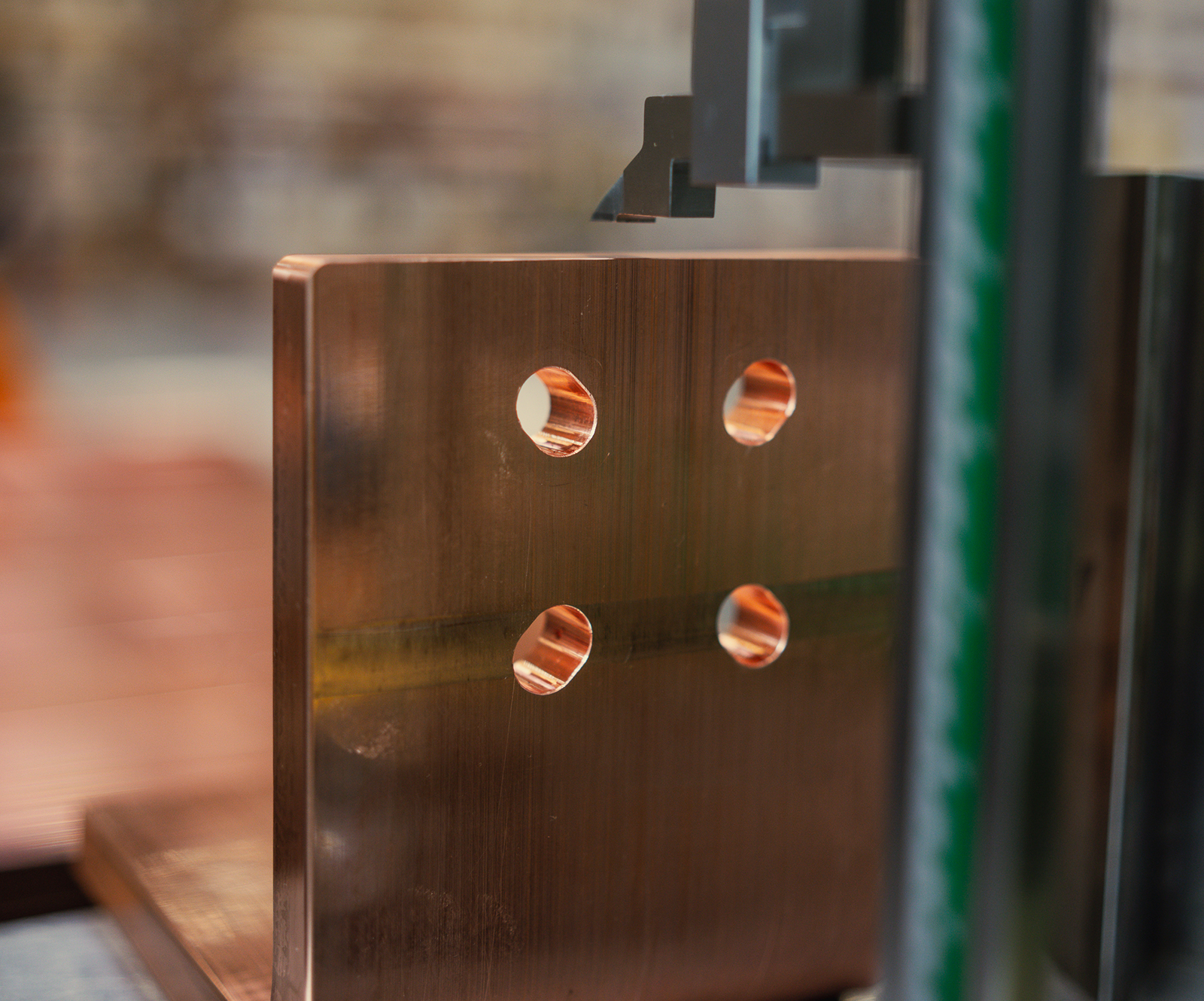
This is in sharp contrast to distribution systems that rely on lower-quality materials or where connection quality during installation was inconsistent. Such systems develop increasing numbers of high-resistance hot spots over time, each of which represents a latent failure risk and a thermal imaging finding requiring investigation and remediation. The cumulative maintenance burden, and the risk of a hot spot progressing to failure during a high-load period, represent real operational costs that are not visible in the initial capital comparison between higher and lower-quality components.
Thermal imaging and predictive maintenance
Copper's stable material properties make it an ideal subject for thermal imaging-based predictive maintenance. A properly installed copper distribution system operating within its rated current range should show consistent, predictable temperature profiles at all connection points. Any deviation from those profiles, such as a hot spot at a joint, an elevated temperature at a tap-off point, or an unexpected temperature gradient along a busbar run, is a reliable indicator of a developing problem, whether a loose connection, an unexpected overload condition, or contamination at a contact surface.
This predictability is only possible because copper's thermal behaviour is stable and well-characterised. Distribution systems using materials with less consistent or less well-understood thermal properties make it harder to distinguish genuine developing faults from normal operational variation, reducing the effectiveness of thermal imaging as a predictive maintenance tool.
MSS International recommends thermal imaging inspections at least annually, conducted under representative load conditions when temperature differences are most apparent. Results tracked over time provide the trend data that allows developing issues to be identified and addressed during planned maintenance windows, rather than as emergency responses to in-service failures.
Lifecycle value and the circular economy
The long service life of copper distribution components, combined with copper's recyclability without performance degradation, means that the economics of quality specification extend beyond the operational period. When busbar systems reach end of service, or when facility decommissioning or refurbishment creates retired copper components, those materials retain substantial scrap value.
MSS International's scrap purchase services support data centre operators in recovering value from retired copper components, with materials entering our recycling stream, being processed back to high-purity copper, and returning to production for new components. This closed-loop approach reduces both the net cost of copper infrastructure over its lifecycle and the environmental impact of primary copper production. Recycled copper production requires approximately 85% less energy than primary production from ore, avoiding approximately 2.5 tonnes of CO² per tonne of recycled material.
Conclusion: Reliability is built, not assumed
Data centre uptime is the product of many systems working together correctly, but those systems can only perform as well as the components from which they are built. Power distribution and earthing infrastructure made from correctly specified, precision-manufactured copper components provides the stable, low-resistance, long-life foundation that mission-critical availability targets require.
The evidence is clear: power-related failures remain the leading cause of significant data centre outages, accounting for more than half of serious events in recent industry analyses. Addressing that risk at the component level, through material purity, manufacturing precision, connection quality, and documented quality assurance, is the most direct and cost-effective investment a facility operator can make in long-term uptime performance.
At MSS International, our comprehensive approach to copper component manufacture, from ETP copper sourcing through precision CNC machining, simulation-validated design, and ISO 9001 and IATF 16949 certified quality systems, ensures that our products contribute to, rather than constrain, the reliability of the facilities they serve. With over 50 years of experience in demanding electrical distribution applications, we understand the standards that mission-critical infrastructure must meet and the manufacturing discipline required to meet them consistently.
Ready to discuss copper components for your mission-critical facility? Contact MSS International to explore how our precision-engineered busbar systems, earthing components, and custom assemblies can support your data centre's reliability and uptime requirements, from initial specification through to long-term operational performance.
Further reading:
- For a comprehensive overview of copper's role across all data centre systems, see our pillar article on The Essential Role of Copper in Modern Data Centre Infrastructure.
- For detail on power distribution busbar design, see Copper Busbars in Data Centres: Optimising Power Distribution for High-Density Operations.
- For high-current AI infrastructure requirements, see Meeting AI Infrastructure Demands: Copper Solutions for High-Current Data Centre Applications.
Frequently Asked Questions
How do connection quality and conductor purity affect long-term uptime?
Connection quality and conductor purity determine whether a distribution system maintains its designed performance throughout its service life or progressively degrades. Contaminated, under-torqued, or poorly surfaced connections present elevated contact resistance that increases with thermal cycling as oxidation progresses, in a self-reinforcing process that can eventually lead to arcing and distribution failure. Lower-purity copper contains impurities that increase resistivity and reduce thermal conductivity, both of which compound under sustained high-load conditions. MSS International's ETP copper specification (99.9% minimum purity) combined with precision-machined contact surfaces and detailed torque specifications ensures that connection quality at installation is maintained throughout the component's operational life.
How does MSS International's quality assurance process support mission-critical reliability requirements?
Our ISO 9001 and IATF 16949 certified quality management systems provide the documented framework that mission-critical applications require. Full material traceability is built into our manufacturing process, from certified raw material through manufacturing operations to finished product testing. Our test protocols, covering four-wire resistance measurement, thermal cycling, mechanical load testing, and high-potential insulation testing, validate performance against specification before dispatch. MSS International's engineering team can advise on test protocols and quality requirements specific to particular standards obligations, including IEC, ISO, and sector-specific requirements.
What availability level does Tier III and Tier IV data centre certification require?
Tier III certification from the Uptime Institute requires 99.982% availability, equivalent to no more than 1.6 hours of downtime per year. Tier IV certification requires 99.995% availability, equivalent to no more than 26.3 minutes of downtime per year. Tier IV facilities achieve full fault tolerance through physically isolated redundant systems, meaning planned and unplanned maintenance events do not affect IT operations. Most hyperscale AI and financial services data centres target Tier IV or equivalent internal standards, often with additional internal goals of zero unplanned downtime.
What power quality issues can poorly specified copper components introduce?
Poorly specified or degraded copper components can introduce several power quality issues into a data centre distribution system. Elevated conductor or connection resistance causes greater voltage drop under load, increasing the variation in supply voltage seen by IT equipment. High-resistance connections generate localised heat that can affect nearby components and contribute to thermal management challenges for cooling systems. Inadequate earthing or bonding resistance can allow potential differences to develop between equipment enclosures, creating noise and interference in sensitive server and networking equipment, and compromising the effectiveness of surge protection devices that rely on low-impedance earth paths to dissipate transient overvoltages safely.
Why is copper preferred over alternatives for data centre earthing and bonding systems?
Copper's combination of high electrical conductivity, natural corrosion resistance, and long-term connection stability makes it the standard material for earthing conductors and bonding connections in data centre environments. Below-ground earthing electrodes must maintain low resistance over many years without inspection, making corrosion resistance a practical requirement rather than a preference. Above-ground bonding connections must maintain consistent contact pressure through thermal cycling, which copper's thermal expansion characteristics support better than most alternatives. Lower-conductivity materials require larger cross-sections to achieve the same fault current capacity, while materials with poorer corrosion resistance introduce maintenance obligations and progressive performance degradation that copper avoids.